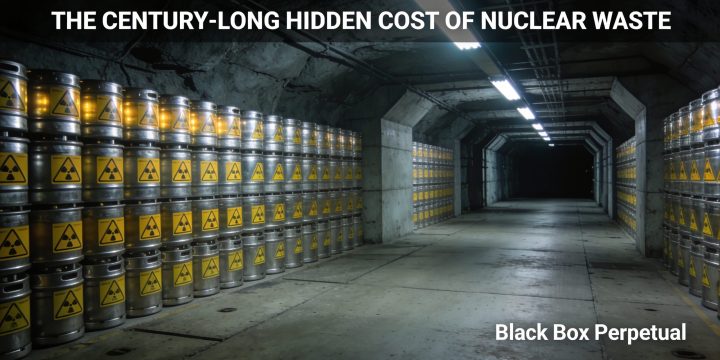
The promise of nuclear energy has always been enormous — near-limitless, carbon-free baseload power humming away day and night. But the reality of nuclear energy cost has proven equally enormous, and rarely in a good way. From billion-dollar construction overruns to century-long waste storage obligations, the true price of splitting the atom stretches far beyond what any utility brochure will tell you — and it's reshaping the conversation about where clean, reliable energy must go next. The Price Tag Nobody Warned You About When nuclear power first emerged in the mid-twentieth century, it was famously promised to be "too cheap to meter." That vision has aged poorly. Today, the U.S. Energy Information Administration estimates the levelized cost of electricity (LCOE) for advanced nuclear power at $110 per megawatt-hour (MWh) — compared to…
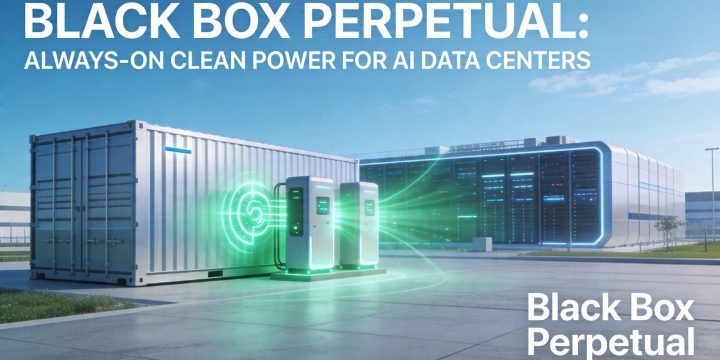
AI data center backup power has become one of the most pressing and underexamined cost centers in modern infrastructure. As artificial intelligence drives an unprecedented surge in electricity demand, the backup power systems designed to keep these facilities online are simultaneously becoming more expensive, more environmentally destructive, and more technically complex—while still failing at critical moments. This article examines the full scope of the AI data center backup power crisis and introduces a breakthrough alternative that could redefine the economics of always-on power. The AI Data Center Backup Power Demand Explosion The scale of the energy challenge is almost incomprehensible. According to the International Energy Agency (IEA), global electricity consumption from data centers was approximately 415 TWh in 2024—roughly 1.5% of all global electricity—and is projected to more than double to 945…
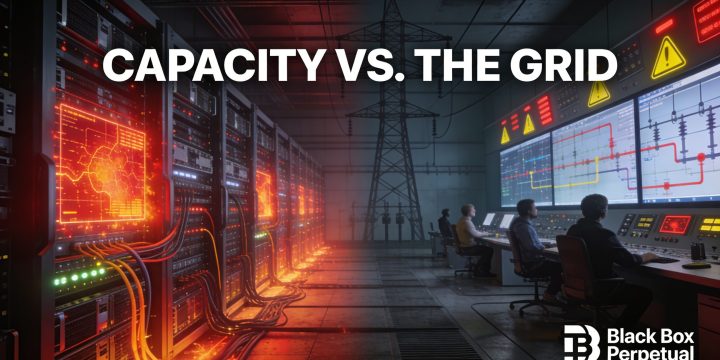
As AI workloads accelerate, data center capacity is being stretched by runaway power, cooling, and grid constraints, making “sustainable AI data centers” far more expensive and fragile than advertised—and opening the door for a Black Box Perpetual approach that treats energy as an integrated, closed-loop resource rather than an ever-growing utility bill. AI workloads are not just growing; they are reshaping the entire trajectory of global data center capacity. Analysts now expect that surging AI demand will drive data center capacity and energy use at compound annual growth rates exceeding 40% through 2027, with AI-specific energy consumption forecast to reach roughly 146 terawatt-hours (TWh) by that year. IDC expects the surging demand for AI workloads will lead to a significant increase in datacenter capacity, energy consumption, and carbon emissions, with AI…
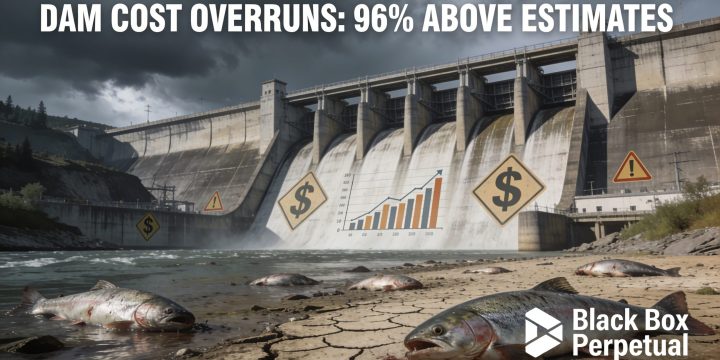
Despite its reputation as a clean and renewable energy source, hydroelectric power carries staggering hidden financial costs, massive environmental destruction, and growing climate vulnerability — making it an unreliable foundation for energy independence, and why always-on, zero-disruption systems like Black Box Perpetual represent the true future of green power. Hydroelectric power has long been presented as the gold standard of renewable energy — a clean, reliable, and inexhaustible force that harnesses the natural flow of rivers to generate electricity. For more than a century, governments and energy planners have poured trillions of dollars into dams and reservoirs, believing that water flowing downhill was the answer to humanity's energy problems. But as the full picture of hydroelectric power comes into focus, a very different story emerges — one marked by ruinous cost overruns,…
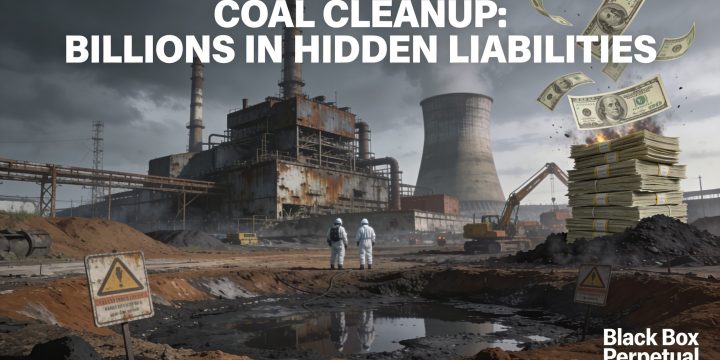
The advertised economics of coal-fired power plants obscure a staggering web of hidden costs — including billions in annual health damages, rising per-megawatt-hour expenses, decommissioning liabilities that dwarf initial projections, and externalized climate damage — making clean, continuous alternatives like the Black Box Perpetual system a rational and urgently needed departure from fossil-fuel dependency. Coal's Price Tag Is Far Larger Than the Sticker Says Every time a coal-fired power plant generates electricity, it generates something else too: a long list of costs that never appear on an energy bill. These hidden costs — measured in health damage, environmental contamination, climate liability, and escalating operational expenses — are real, quantifiable, and enormous. They are simply shifted off the utility's balance sheet and onto communities, healthcare systems, governments, and future generations. For…
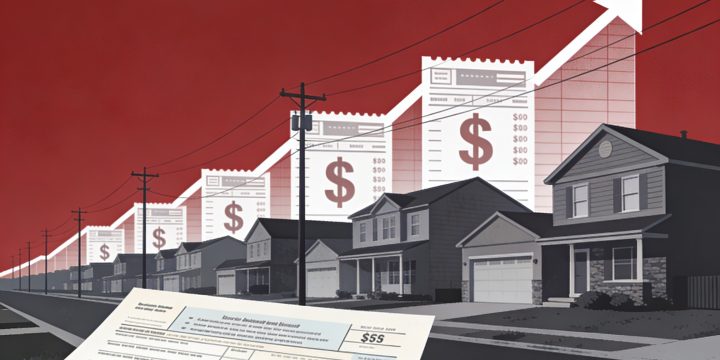
The sticker price of natural gas electricity is only a fraction of its true cost — when hidden health damages, methane leaks, infrastructure failures, and climate impacts are added to the equation, natural gas electricity is far more expensive and dangerous than the bill on your counter suggests. Emerging solutions like the Black Box Perpetual system offer a path to genuinely stable, always-on, clean-energy pricing — without the hidden burdens. The Illusion of "Cheap" Natural Gas Power Natural gas has long been marketed as the affordable, cleaner backbone of America's power grid. And on the surface, it dominates: natural gas accounted for 40% of all U.S. electricity generation in 2025, down slightly from 42% in 2024 but still by far the single largest source of power in the country. With the…
Black Box Perpetual Power is Primary and Emergency Combined Current calculations for protecting against power interruptions or compensating for reduced green-energy production can be rethought using Black Box Perpetual Power Systems. The systems do not rely on the sun shining, are immune to hot and cold extremes and can be situated in a way to provide on-site power free from downed power grids. Primary Power Emergency Power Solar Black Box Perpetual Primary and Emergency Power
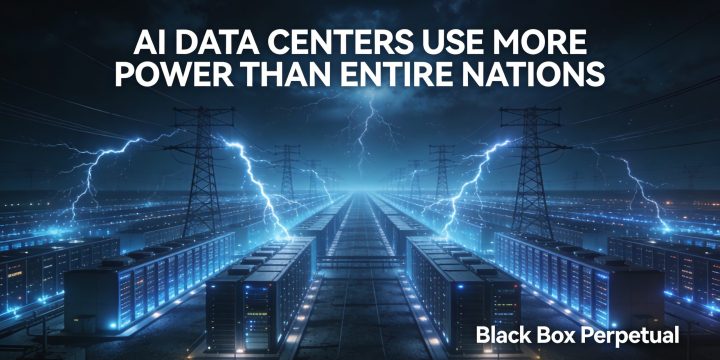
The Short Answer Is: A Staggering Amount Think about the last time you typed a question into an AI chatbot. It felt effortless — a few words in, an answer out. What you didn't see was the enormous energy machine powering that simple exchange. Behind every AI response is a data center drawing electricity at a scale that would have seemed impossible a decade ago. And the numbers, when you actually look at them, are genuinely shocking. A typical AI-focused data center consumes as much electricity as 100,000 households every single year. The largest ones now being constructed? They are expected to consume twenty times that amount. To put that in perspective: a single facility under development could match the annual electricity appetite of two million American homes. Must See Also: AI: Five…