
Natural gas power plants are far more expensive to build, operate, and sustain than the energy industry admits — driven by tripling construction costs, severe fuel price volatility, invisible methane climate penalties, and decades-long financial lock-in — making next-generation alternatives like the Black Box Perpetual system an urgent and compelling solution for large enterprises.
A Fuel Promoted as “Clean” and “Cheap” — But Is It?
For decades, natural gas has been marketed as the affordable, cleaner “bridge fuel” between coal and renewable energy. Utility executives, politicians, and energy analysts have routinely described natural gas power plants as the pragmatic choice: cheaper to build than nuclear, cleaner to burn than coal, and flexible enough to support an evolving energy grid. That story made intuitive sense — for a while. But in 2025 and beyond, the full cost picture of natural gas power generation is coming into sharp, uncomfortable focus.
The true cost of a natural gas power plant goes far beyond what appears on a utility’s capital expense ledger. It includes skyrocketing construction costs, wildly volatile fuel markets, hidden methane climate liabilities, pipeline infrastructure obligations, and decades of locked-in financial exposure — all passed directly onto consumers, businesses, and the broader economy. Understanding these compounding costs is essential for any large energy consumer evaluating long-term power strategy.
Must See Also: The True Cost of Natural Gas Power Plants: Why Your Energy Bills Keep Rising
Construction Costs Have Tripled in Just Three Years
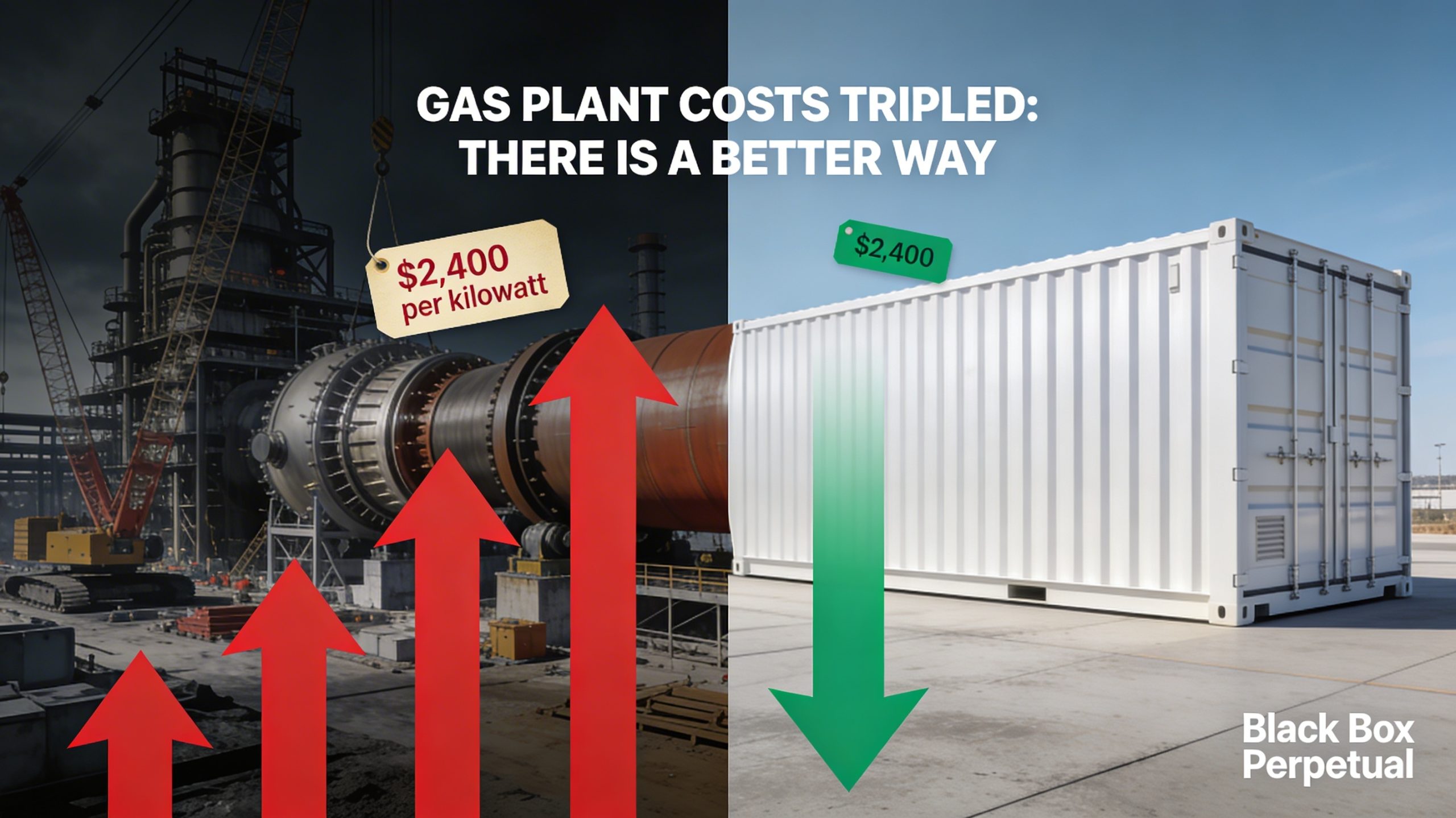
Perhaps the most jarring recent development in natural gas power plant economics is the explosive rise in capital construction costs. As recently as 2022, NextEra Energy — one of the nation’s largest energy companies — built its last gas-fired combined cycle plant at $785 per kilowatt. By 2025, NextEra CEO John Ketchum told attendees at the CERAWeek conference that building that same plant today would cost $2,400 per kilowatt — a near tripling of construction costs in just three years.
This surge is not an anomaly isolated to a single company or project. Analysis firm Enverus found that capital costs for new natural gas power plants now average $2,200 to $3,000 per kilowatt, a dramatic departure from pre-pandemic benchmarks. A comprehensive 2025 GridLab report confirmed that recent combined cycle gas turbine (CCGT) projects are “routinely reporting costs of $2,000 per kilowatt or more,” far outpacing the National Renewable Energy Laboratory’s own 2024 projection of $1,638/kW for a 2030 build scenario.
The reasons behind this explosion are multifaceted. Gas turbine manufacturers are overwhelmed with orders in the face of surging AI-driven data center demand and grid reliability concerns. The wait time just to receive a turbine is now four to six years, according to utility testimony before the Colorado Public Utilities Commission. Higher interest rates, supply chain disruptions, labor shortages, and permitting delays compound the situation further.
Must See Also: The True Cost of Natural Gas Power Plants: Why Your Energy Bills Keep Rising
Fuel Volatility: The Risk Nobody Fully Prices In
Even if a company or utility successfully navigates the construction gauntlet, it then faces a decades-long dependency on a commodity whose price can swing violently with little warning. Natural gas fuel price volatility is one of the most severe of any commodity in the energy complex — and history shows it can devastate planning assumptions.
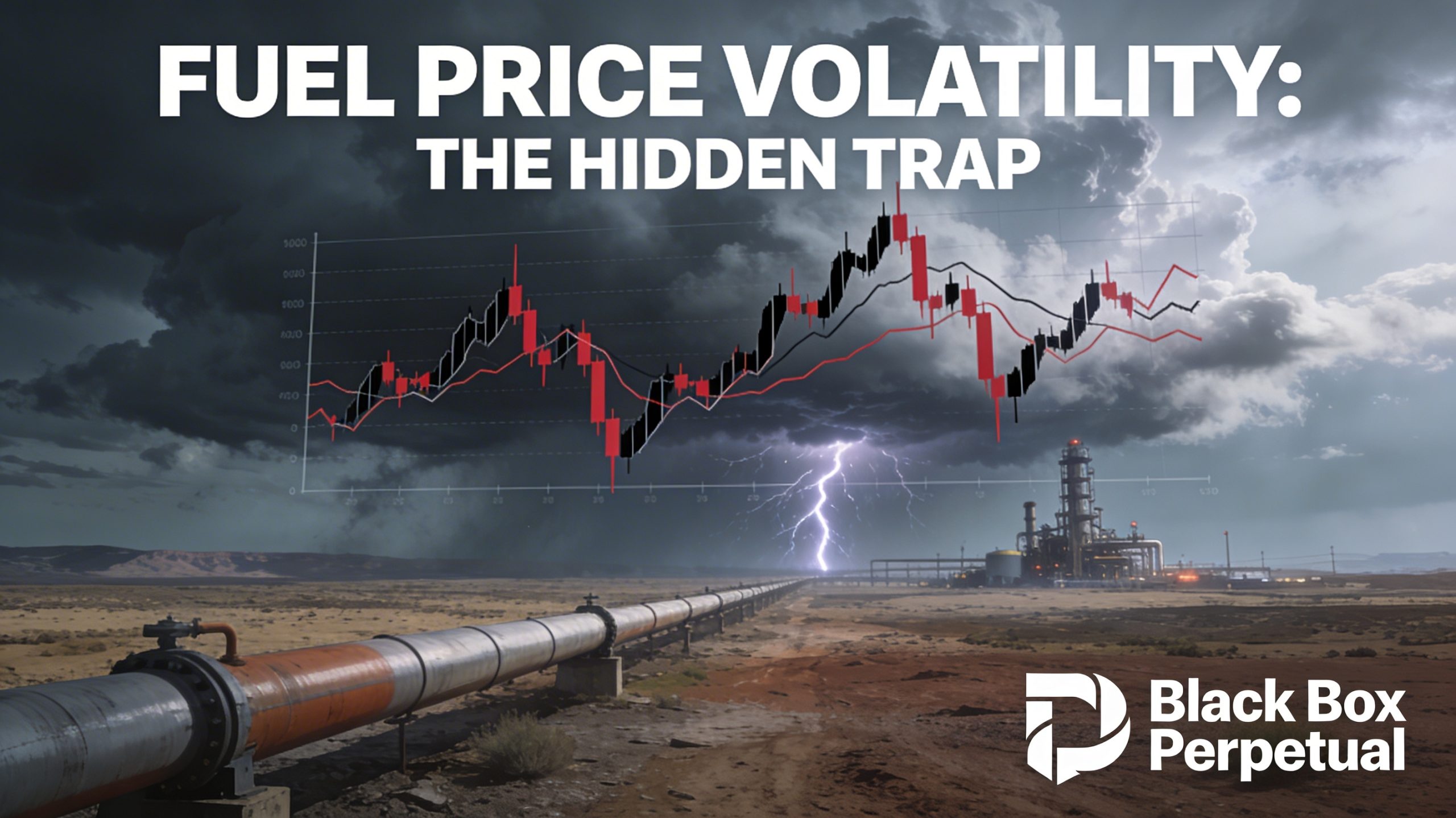
In February 2022, 30-day historical volatility of U.S. wholesale natural gas prices reached 171%, the most volatile since records began in 1994. That spike was driven by a perfect storm: surging European demand for LNG following Russia’s invasion of Ukraine, the explosion at the Freeport LNG export terminal, and extreme weather events that hammered both supply and demand simultaneously. For businesses and utilities locked into natural gas power contracts, there was no escape from the resulting bill shock.
The volatility has not disappeared. In early 2025, a polar vortex triggered the fourth-largest weekly withdrawal from U.S. natural gas storage on record, and 30-day historical volatility surged to 102% — the highest since March 2023. The Henry Hub spot price for 2025 averaged $3.52 per MMBtu, a 56% increase from 2024’s record-low average of $2.21/MMBtu. That kind of year-over-year swing is extraordinarily difficult to budget for, yet it is an inherent feature of natural gas markets — not a bug.
When analysts at GridLab added the 20-year levelized cost of fuel to the capital expense of a new gas plant, the total picture became stark: fuel costs add approximately $1,500 per kilowatt on a levelized basis, and pipeline infrastructure adds another $500/kW, pushing total all-in costs to $4,000 to $4,500 per kilowatt. That figure is not a ceiling — it assumes relatively stable future fuel prices, which decades of market history suggest is an optimistic assumption.
Must See Also: The True Cost of Natural Gas Power Plants: Why Your Energy Bills Keep Rising
The Methane Time Bomb: Hidden Climate Costs
Natural gas proponents frequently point to the fuel’s lower carbon dioxide emissions relative to coal — a fair point when comparing only end-use combustion. But this comparison deliberately omits the most inconvenient part of the natural gas story: methane leakage throughout the supply chain.
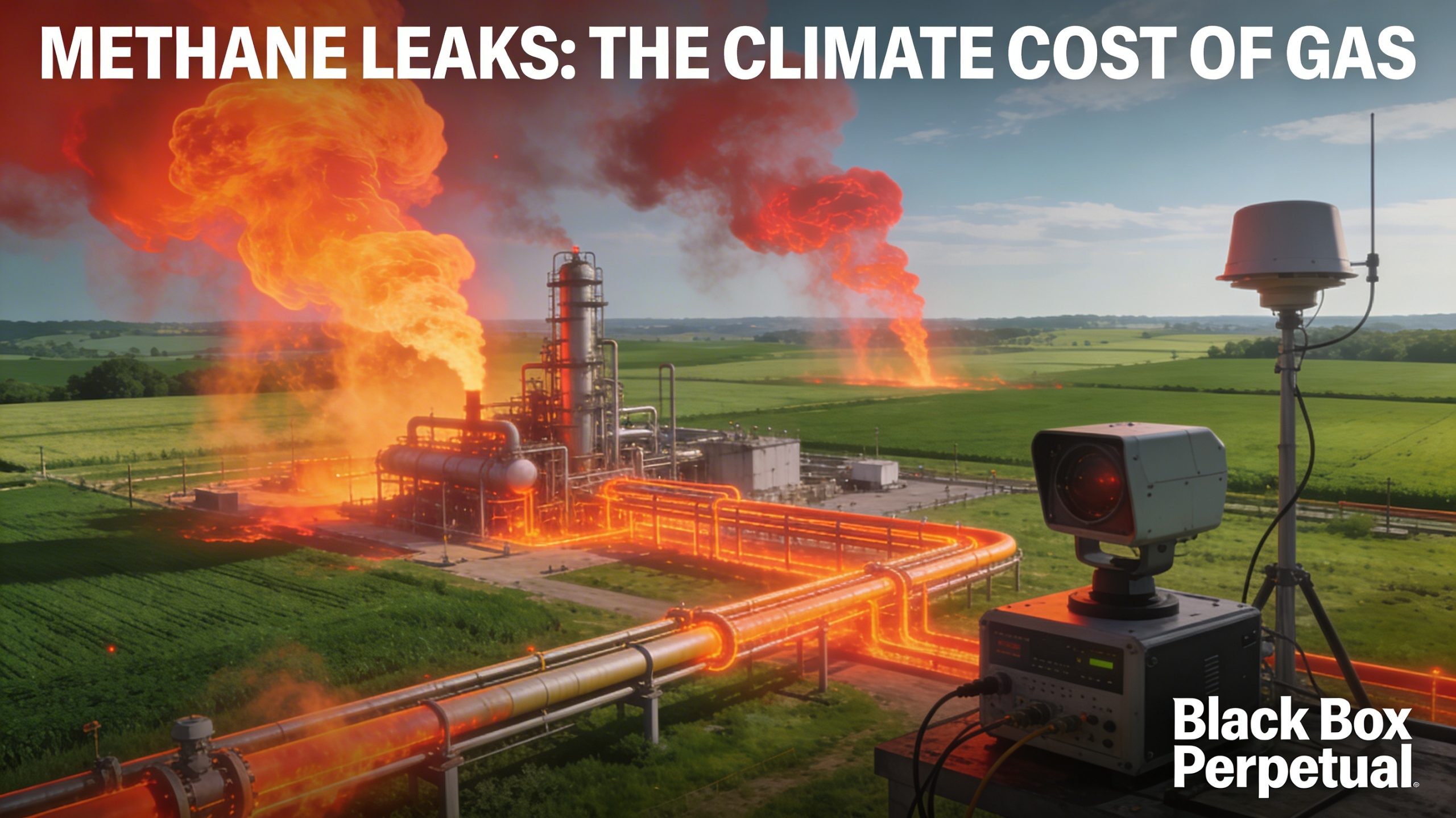
Methane is the primary component of natural gas. It is also a greenhouse gas 80 to 100 times more potent than carbon dioxide over a 10-to-20-year period. The U.S. EPA estimates the natural gas leakage rate at approximately 1.4%, but a landmark 2018 study found actual leakage rates are approximately 2.3% — 60% higher than official estimates. At a 2.3% leakage rate, natural gas becomes worse than coal for climate impact over a 20-year period.
A 2024 Stanford-led study based on approximately 1 million aerial measurements of U.S. oil and gas infrastructure found that oil and gas operations emit more than 6 million tons of methane per year — roughly three times the level predicted by the U.S. government. The economic cost of those emissions, accounting for societal harm from climate change, is estimated at $10 billion per year — a cost that never appears on any natural gas utility’s income statement. According to the Southern Environmental Law Center, just one of the new gas plants being planned in the U.S. South is expected to emit the same amount of carbon as half a million cars each year.
Methane, responsible for one-third of the warming of our planet to date, is a systemic liability embedded in every cubic foot of natural gas burned. These climate costs — deferred and externalized — represent a massive, unpriced subsidy to the natural gas industry paid for by society at large.
Must See Also: The True Cost of Natural Gas Power Plants: Why Your Energy Bills Keep Rising

The Lock-In Problem: Decades of Financial Exposure
Building a new natural gas power plant is not a short-term commitment. Power purchase agreements, debt repayment schedules, and asset depreciation timelines routinely span 20 to 30 years. A company or utility that breaks ground on a gas plant in 2025 is making a financial bet on fuel prices, carbon regulations, and technology competition through 2055 — an era in which everything about the energy landscape may be fundamentally different.
The combination of tripled capital costs, compulsory pipeline infrastructure, and multi-decade fuel exposure means that today’s gas plant investment decisions carry extraordinary downside risk. Regulatory shifts — including potential carbon pricing, methane fees, or stricter EPA standards — could dramatically increase operating costs at any point during a plant’s life. Meanwhile, competing clean energy technologies continue to fall in cost, potentially stranding gas plant assets long before they are fully depreciated.
For large commercial and industrial energy users, the message is equally sobering: locking into a long-term power purchase agreement tied to natural gas means accepting all of this volatility, infrastructure risk, and climate liability as a permanent feature of your energy cost structure. It is a deal that looked reasonable in 2010 but is increasingly difficult to justify in 2025.
Must See Also: The True Cost of Natural Gas Power Plants: Why Your Energy Bills Keep Rising
A New Model: The Black Box Perpetual System
Against this backdrop of soaring construction costs, price volatility, and hidden climate liabilities, the energy industry is overdue for a fundamentally different approach. Black Box Perpetual (BBP) offers exactly that — a power generation system that delivers continuous, clean energy without fuel costs, pipeline dependencies, or the price volatility inherent in natural gas markets.
BBP’s system is containerized in a standard 20-foot unit at 1 MW, with scalability to multi-gigawatt deployment. Selected enterprise partners are currently being evaluated for a pilot program in which the system is installed at their site and power is provided free for six months — eliminating the traditional capital commitment barrier that makes natural gas plant ownership so financially fraught. Following the pilot, participants can enter a 25-year power purchase agreement at greatly reduced pricing compared to their current energy costs, according to BBP.
Where natural gas forces enterprises into a gamble on fuel markets they cannot control, BBP’s model delivers predictability: always-on generation, no fuel supply chain, no methane leakage liability, and no exposure to the kind of price spikes that sent natural gas volatility to 171% in 2022. For large enterprises evaluating the full 20-to-30-year cost picture of their energy strategy, this contrast could not be more significant. Full-rate production and first deliveries are scheduled to begin in approximately June 2027.
Must See Also: The True Cost of Natural Gas Power Plants: Why Your Energy Bills Keep Rising
The Bottom Line
The natural gas power plant cost story is one of the most consequential — and least-told — energy economics narratives of our time. Construction costs have tripled in three years. Fuel volatility can erase budget assumptions in a single winter. Methane leakage quietly undermines every “clean bridge fuel” claim. And a 25-to-30-year lock-in on all of these risks is the standard deal on offer. For businesses and utilities serious about sustainable, predictable energy costs, the case for rethinking dependence on natural gas has never been stronger.